
What do you eat? What we eat says a lot about us. And now more than ever eating what is made and grown locally is important.
- When food sources outside of our country may dry up. We can eat local.
- When we don’t want to support long haul trucking emissions. We can eat local.
- When we simply love our neighbors and what they make. We can eat local.
To us, local means New Hampshire & our neighbors in Vermont and Maine. And although we stock some pretty interesting pantry supplies from outside of our area, we try to be mindful that someone somewhere made something really good when the ingredients were fresh to them.
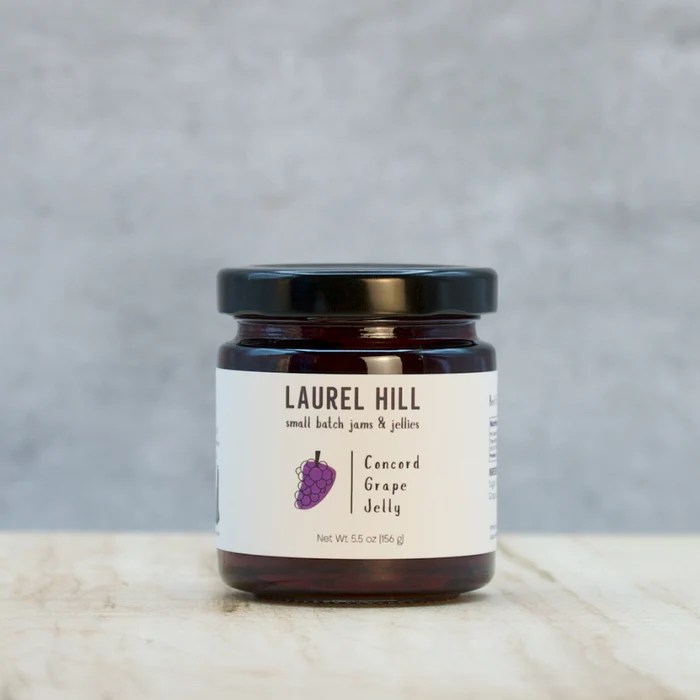
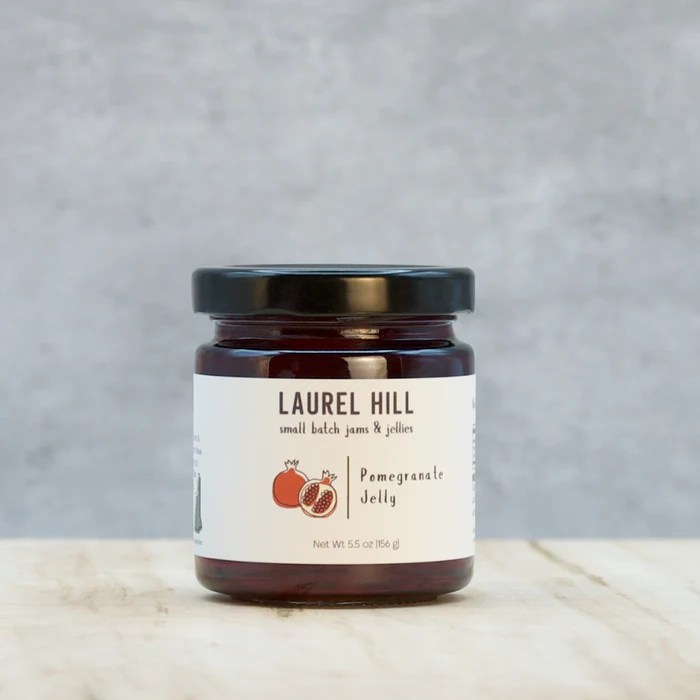
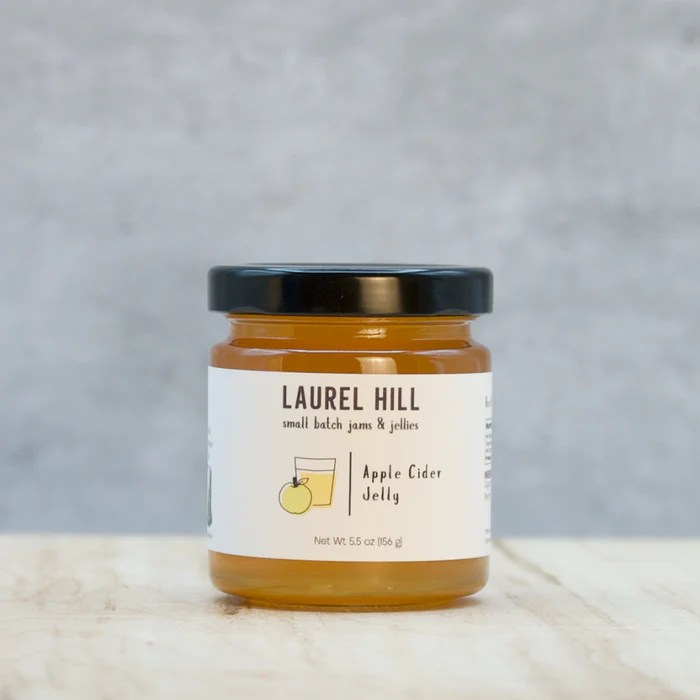
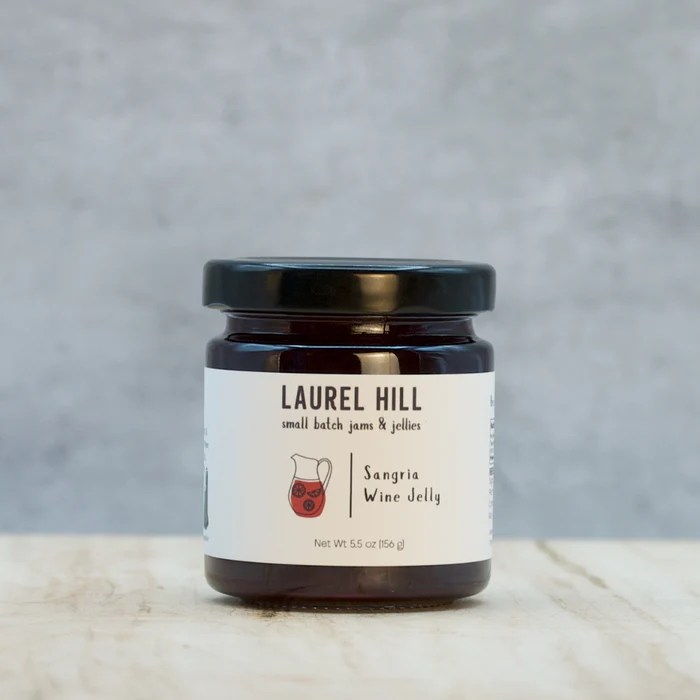
This week-end we are sampling these local jellies made in Bedford, NH. Served up on top of local cheese curds made in Vermont.



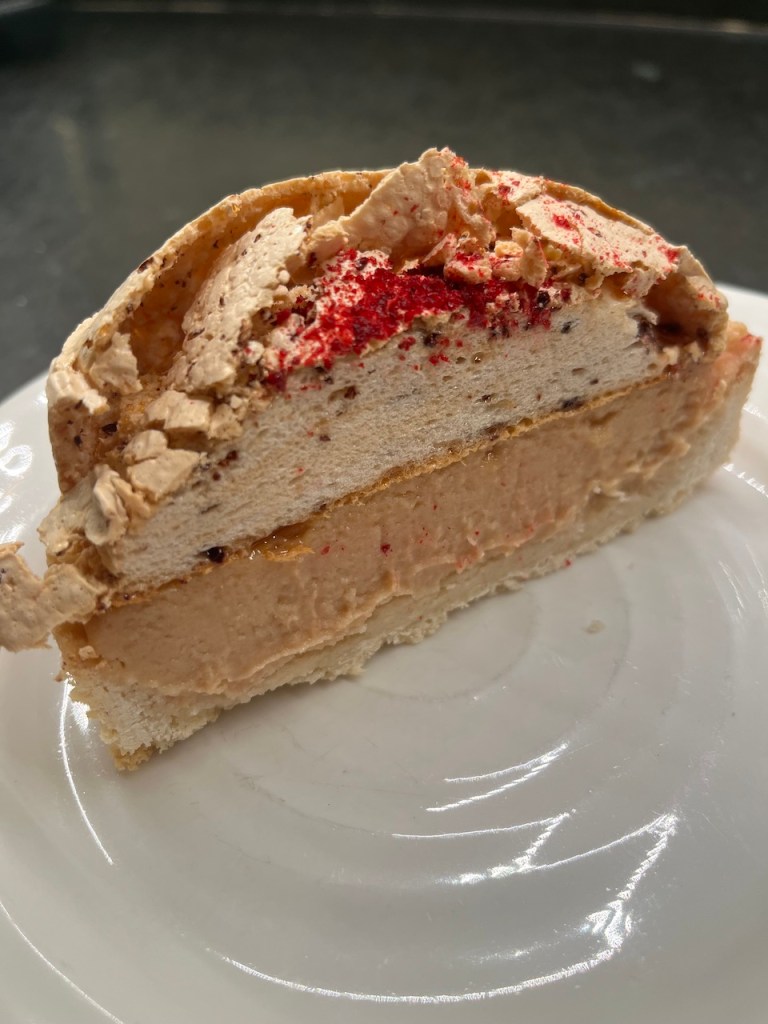
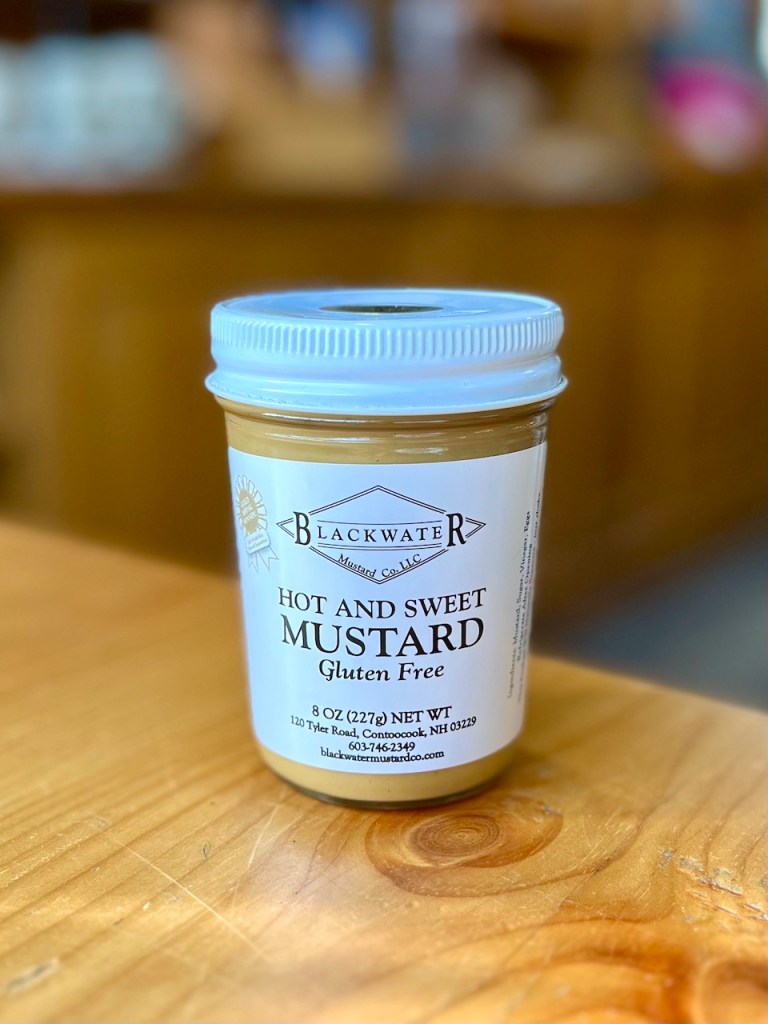


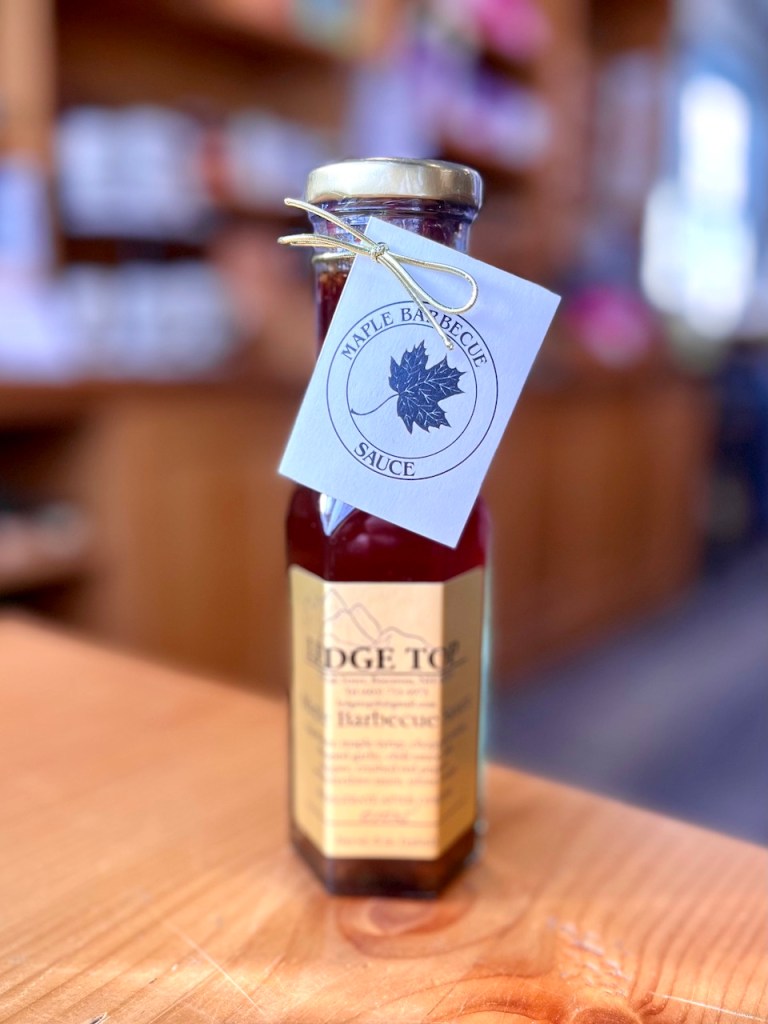

What do you eat?
What do you eat when no one is looking? Are there guilt-laden pleasures and driven-cravings evoked from fond childhood memories? Do you try to scratch the itch with a sweet/salty/sour/sweet/salty/sour episode? Do you binge on fresh fruit until your mouth is full of canker sores and your stomach hurts?
Food is a language that communicates with deaf-mute qualities, heightening our remaining senses of taste, smell & sight. Our ancient internal self of needy preservation seeks out this conversation with food whether we are hungry or not. We are wired this way. To experience joy and satisfaction thus continuing to eat and preserve our species. Eating can be emotional.
Have you ever wept when you tasted a perfect dish or perhaps a perfectly ripe peach? I have. Years ago when I stopped in on my chef friend Kay she presented me with a bowl of simple polenta topped with freshly picked, hand-shelled and ever-so-slightly steamed fresh, sweet & crunchy English peas. It was perfect in its simplicity and explosive flavor. I was moved. And that perfect peach? Read about it here.
Food only tastes this way when it is fresh and to be fresh it must be local. Here in New England, when we have a very short growing season, if we want to eat local all year we have to preserve this freshness in various ways with drying, with our freezers and with our canning jars. But this in way, new flavors are being created by the hands of time and the miracle of those microbial soldiers transforming that food into something new. Preserve something that is not fresh? It sucks.
Here at the store we have been trying to capture this and carry what is local to us and also to be a provider of local prepared food. We keep trying. Yes, we all love things like coffee, tea and chocolate that can never be grown here, but we can sell those items that are roasted here and assembled here. And when there is lack of local availability, we try to be mindful that someone somewhere made something really good when it was fresh to them.
Please come in to see our new wall of local.

Let’s cook.
Finishing this month of Chocolate I leave you with one more recipe. Toasty, savory and sweet, this is the most complex of this chocolate series recipes but well worth the effort.
Mole (mo-lay) sauce
In Mexican cuisine, a “Mole” is a sauce that varies from region to region incorporating the local fruits and vegetables and is most often laced with chocolate to add that bitter component which balances the sweet of the fruits. This recipe is one I developed years ago with my own vegetables that I grow yet still using some of what is traditional to that area of the world.
Use this as a side sauce over pork or poultry or vegetables OR use it to stew them adding a little broth to thin it out.
- Wearing rubber gloves break apart 10 medium sized chilies removing their seeds and membranes.
If you are using store bought, look in the produce section for plastic bags of them. NOTE: the spiciness of the finished dish will depend on how hot your chilies are. We grow and dry poblano chilies which when dried are called ancho chilies. We have also grown other varieties of long medium-hot peppers that work nicely too.
2. Warm 2T canola oil in a fry pan on medium-low heat and place the seedless chili pieces in it, frying until they blister slightly about 1-2 minutes. Do not brown them. This frying releases their flavor.
3. Add to a large sauce pot, cover with a lid and simmer:
- the fried chilies and oil
- 4 cups of vegetable or chicken broth
4. While the sauce is simmering toast the following in the same fry pan over low heat, scraping and tossing until lightly browned:
- 1 cup of any of these or a mixture of all; peanuts, slivered almonds, pumpkin seeds (traditional)
Add to the simmering chilies.
5. Slice into thick slices and fry until golden in the same pan:
- one plantain
Add to the simmering sauce.
6. In the same fry pan sauté the following until translucent:
- 1 T canola oil
- 3/4 cup chopped onion
- 5 cloves of minced garlic
Add to the simmering sauce.
7. Add these final ingredients to the sauce and simmer another 45 minutes with lid on.
- one 1lb. (15oz) can of plum tomatoes OR 1 1/2 cups of your own preserved tomatoes (we make a garden sauce then freeze it for later use like this)
- 1/4 cup raisins or cranberries or dried blueberries
- 1 cup chopped tomatillos or green tomatoes
- 1/3 cup brown sugar or maple sugar
- 2oz of good dark chocolate like NH made Loon Chocolate 75% Mayan that we sell
- 1/2 tsp of ground cumin
- 1/2 tsp ground cinnamon
- 1 tsp dried oregano leaves crushed
- kosher salt to taste
After simmering, let the sauce cool then purée in a blender until smooth. If you want it thicker, place back in the sauce pan and simmer with the lid off until desired consistency. If you want it thinner, add more broth.
If you are reading this and produce some local food product that is not yet in our store, please do contact us so we can sell it for you.
Click here to view our Plan-Ahead Food Specials menu for next week.
Have a great week-end,
Jane and Dave
PS To those who are concerned, we would like to put the record straight that we did NOT have a fire at the store. Our elderly neighbor in the apartment next door – part of this building – had burned his dinner. Since there was still smoke in the morning, out of an abundance of precaution we called 911. No one was hurt and there was NOT a fire.
 Canterbury Country Store
Another intriguing article; makes me wish I was back in town! When will you start canning and selling that Mole’ sause – or does it have to be fresh?
Mel Burrowes
LikeLike
Hey Mel! We wish you were here too! Alas, canning things like Mole sauce require a different kitchen set up than we have at the store. So in the meantime, we can share how to make so you can at home. 🙂 I freeze my sauce because one batch is a lot.
LikeLike
You make me hungry, Jane!
LikeLiked by 1 person